



My Engineering Process in Practice
During my time at Billet Industries in an automotive engineering environment, I have developed and refined a structured, practical design process grounded in hands-on experience. This progression has strengthened my technical expertise and engineering mindset, while helping drive efficiency and continuous improvement across the workplace.
Here’s a quick overview of the key stages that define this process.

Planning & Concept Development
Every project begins with carefully listening to the job request to fully understand the requirements, constraints and intended application. From there, I assess feasibility by considering material selection, manufacturing constraints, tolerances, load conditions, and overall part strength. At this stage, I make initial design decisions on paper, mapping out rough shapes, and potential challenges before moving into digital development.

Reverse Engineering & Measurement
When working with existing components, I carry out detailed measurements to ensure compatibility and functional integration. This includes identifying critical dimensions, mounting points, datum references, and required clearances for moving parts or assemblies. Accuracy here is essential, as it directly impacts fitment, performance, and reliability in the final product.

CAD Design & CAM Toolpaths
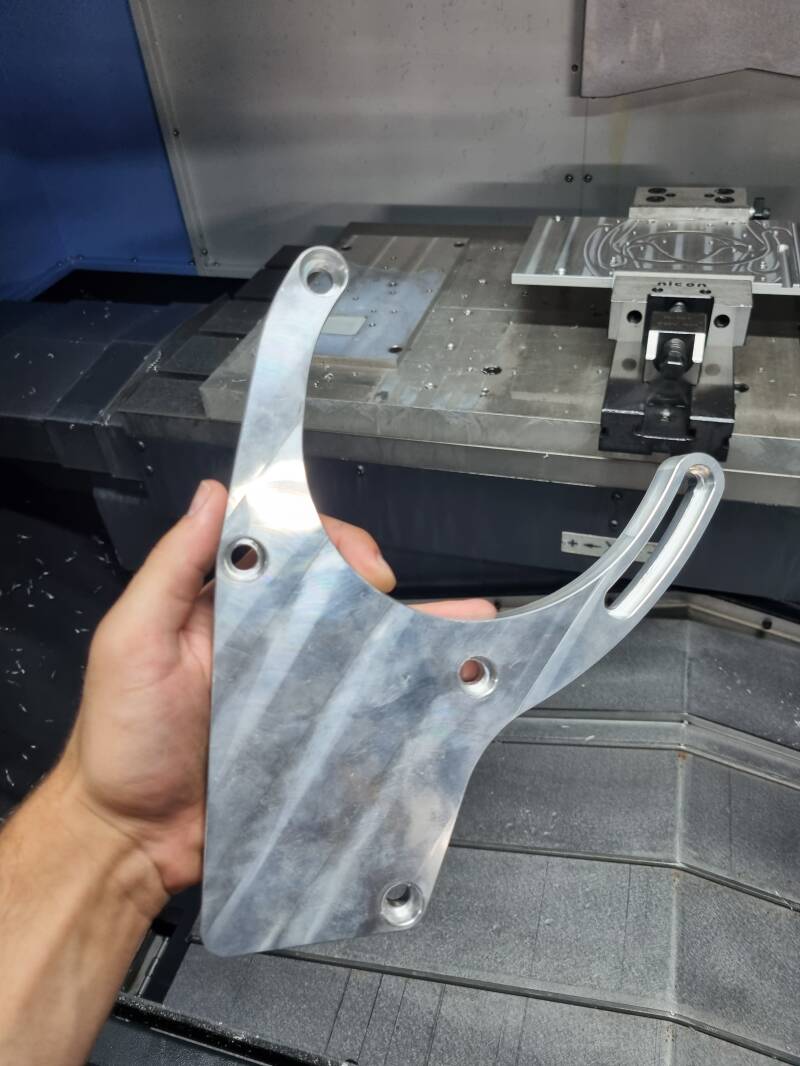
Using CAD software, I convert the initial concept and measured data into a precise 3D model. During this stage, I construct and refine the geometry, apply appropriate tolerances, and ensure key features such as mounting points and clearances are correctly defined. I also design with manufacturability in mind, considering factors like tool access and machining direction. The final model then serves as the foundation for CAM programming and the CNC machining process.

Machine Preparation & Setup
Before running the job, I prepare the machine by checking tools and offsets, setting up the workpiece securely in a vice or custom jig, and confirming all necessary clearances. I then probe the workpiece to establish accurate work offsets and ensure alignment with the programmed coordinates. Proper setup is critical to achieving repeatability and preventing errors.

Program Execution & Optimisation
During machining, I closely monitor the program to prevent collisions, ensure dimensional accuracy, and maintain part quality. I listen to tool engagement, watch chip formation, and make real time adjustments as well as adjustments to the program when necessary. Where possible, I refine speeds, feeds, or toolpaths to improve efficiency while maintaining precision and surface finish.
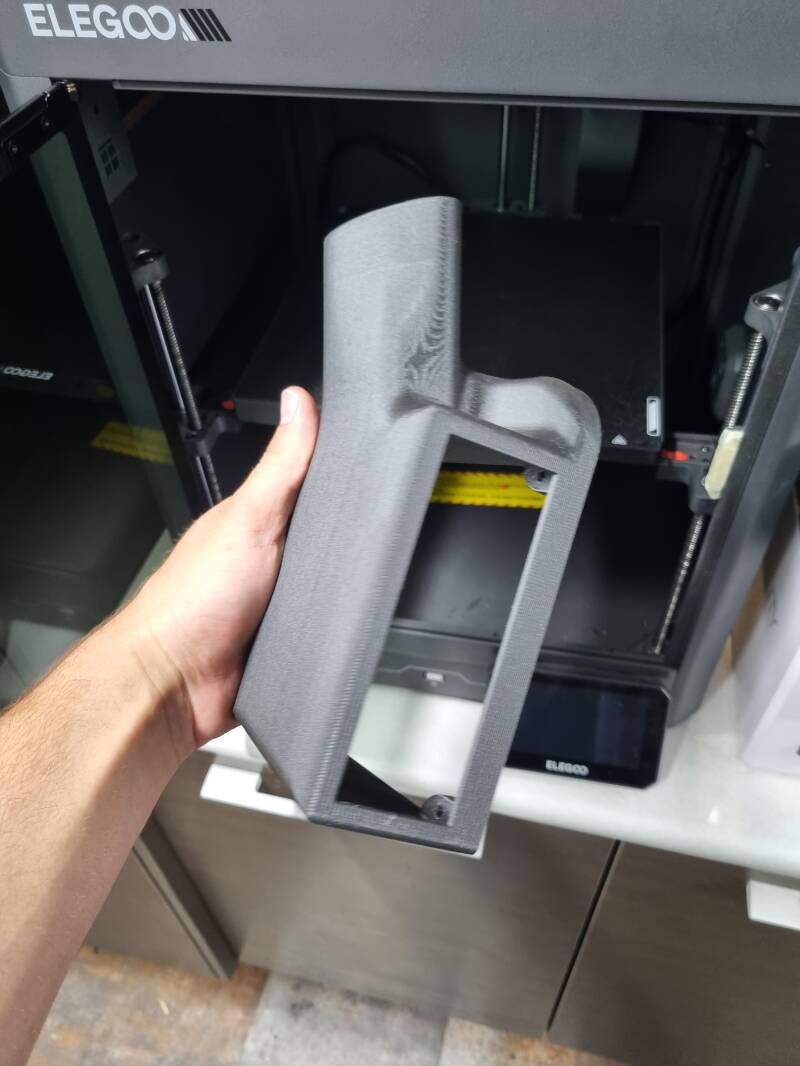
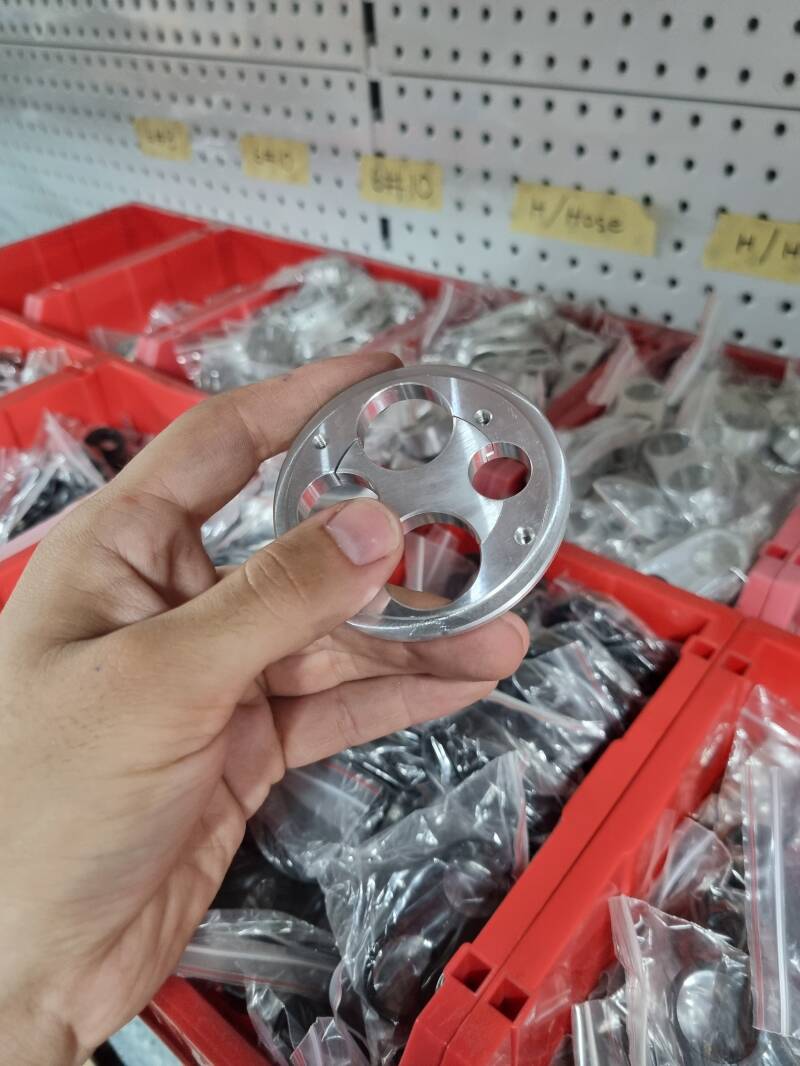
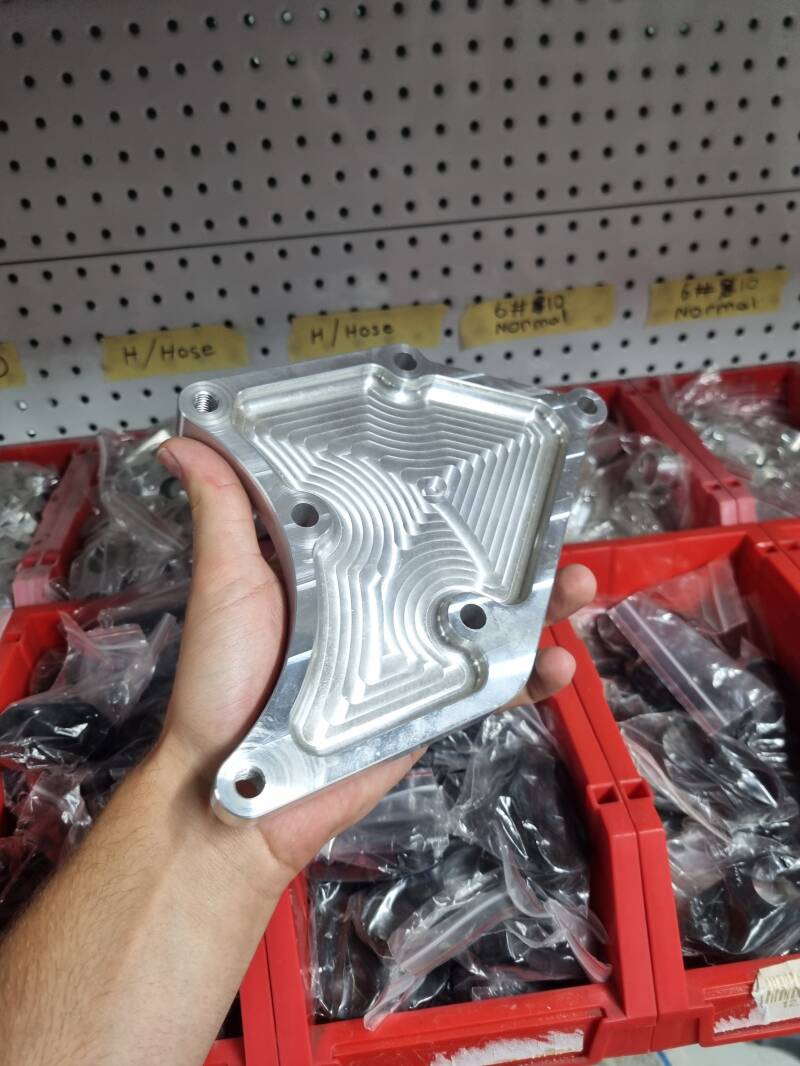
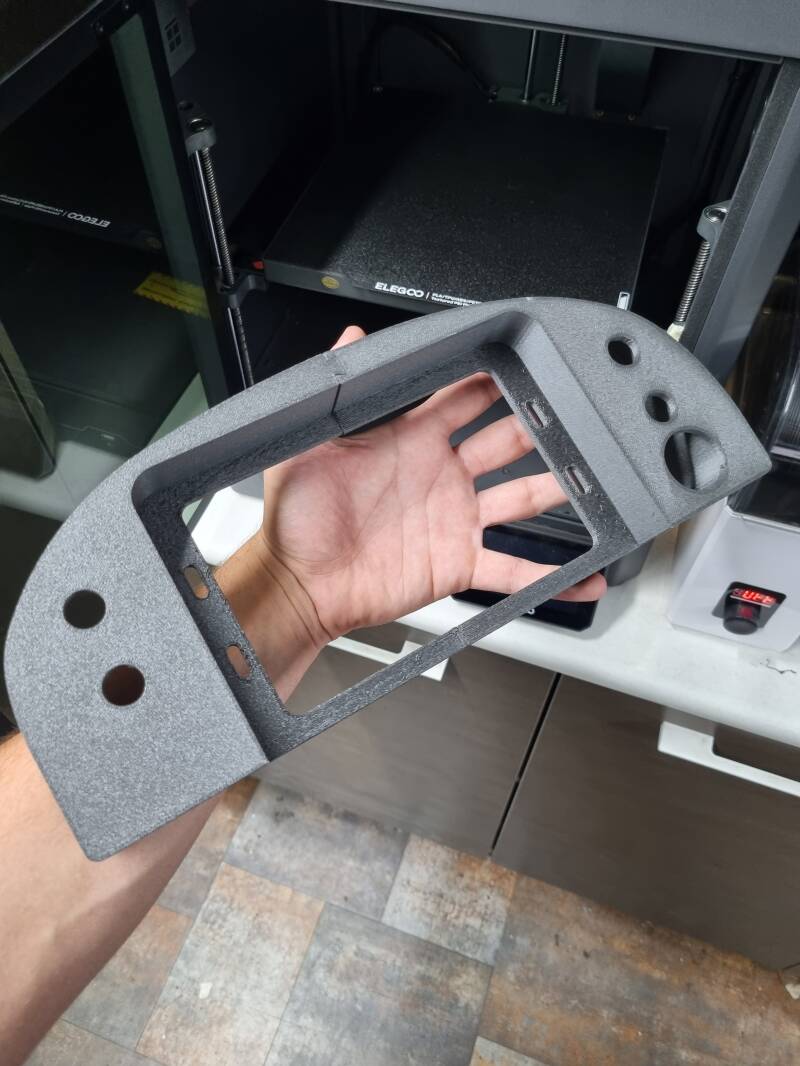
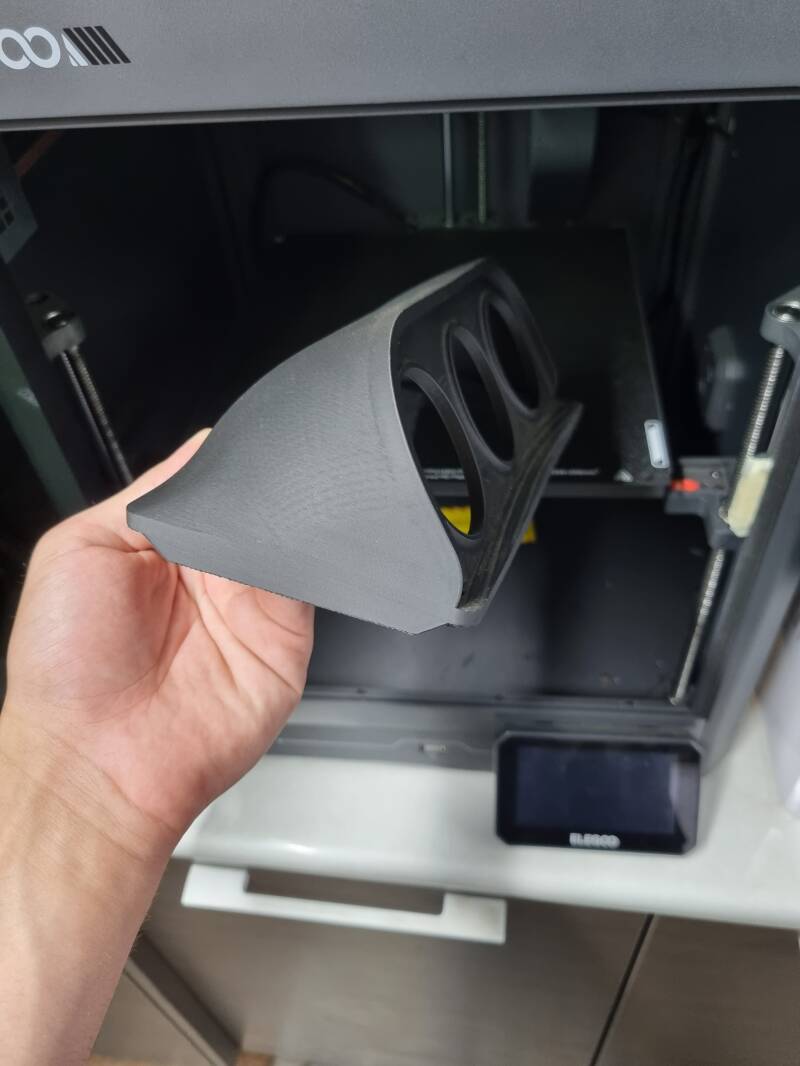
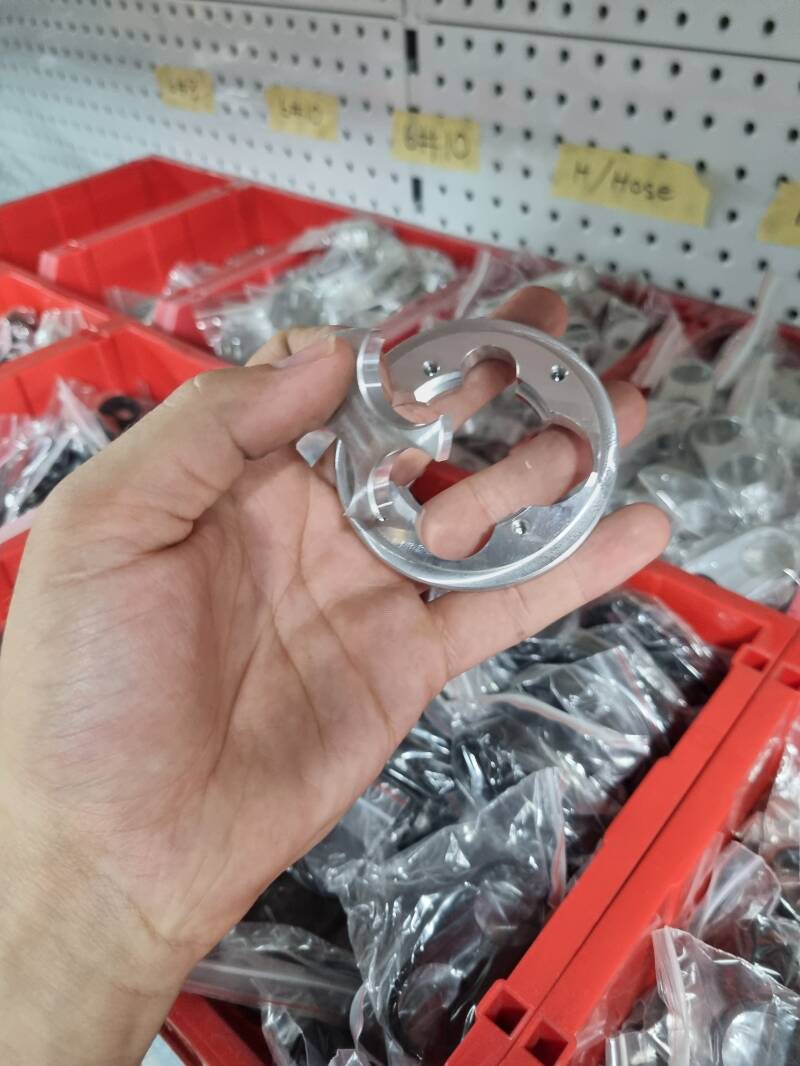
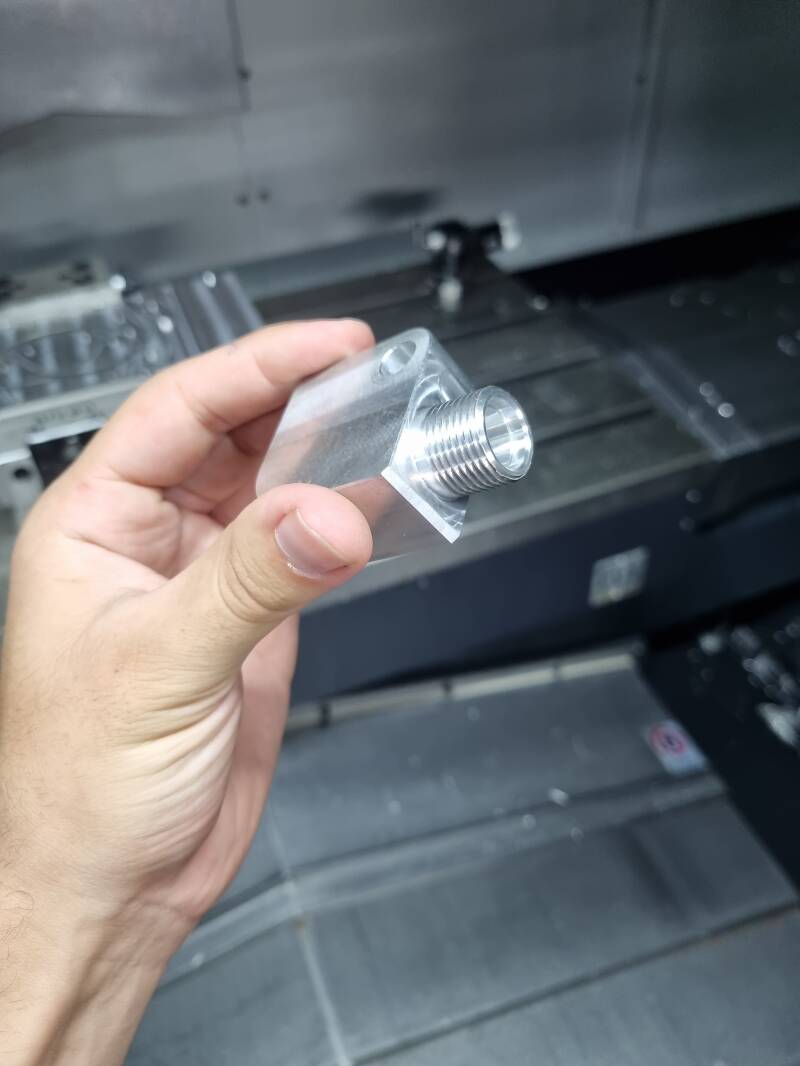
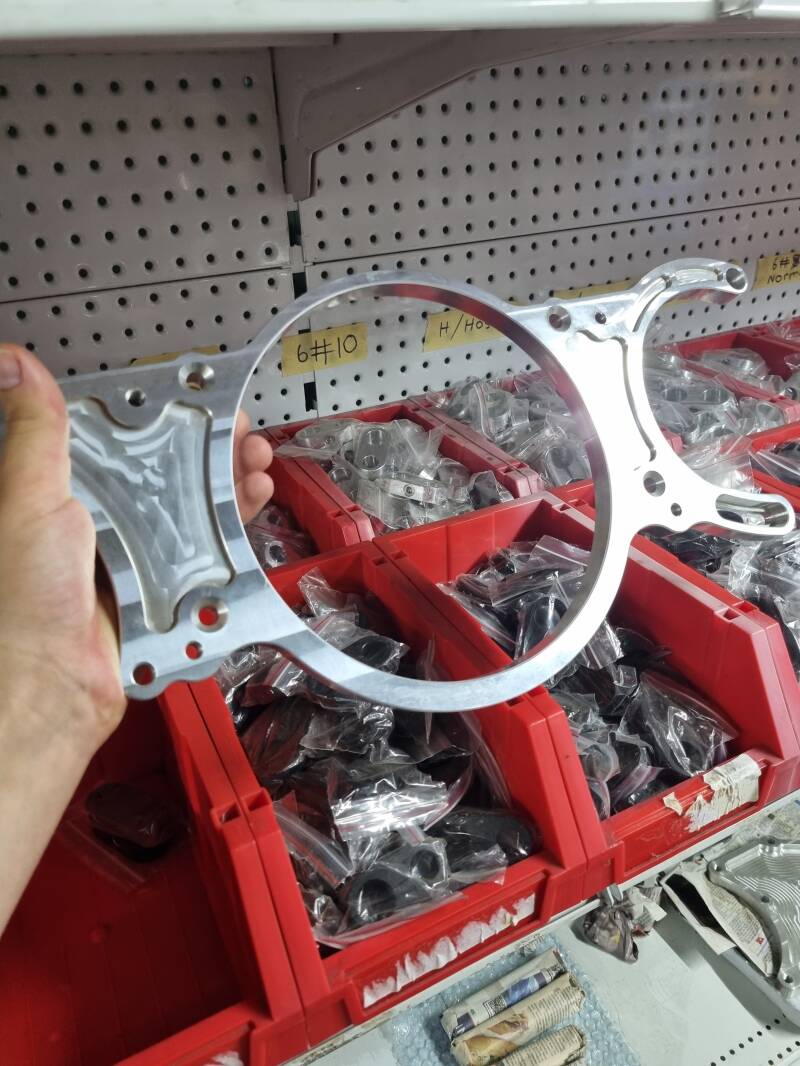
View Some of My Work
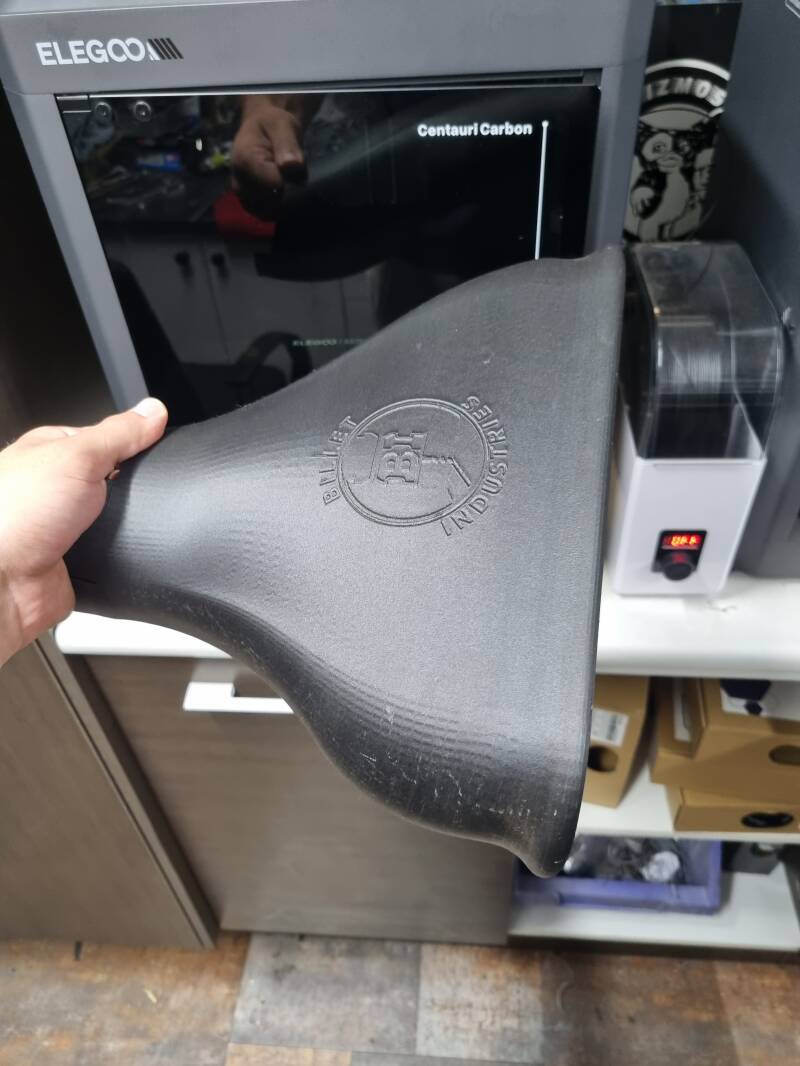
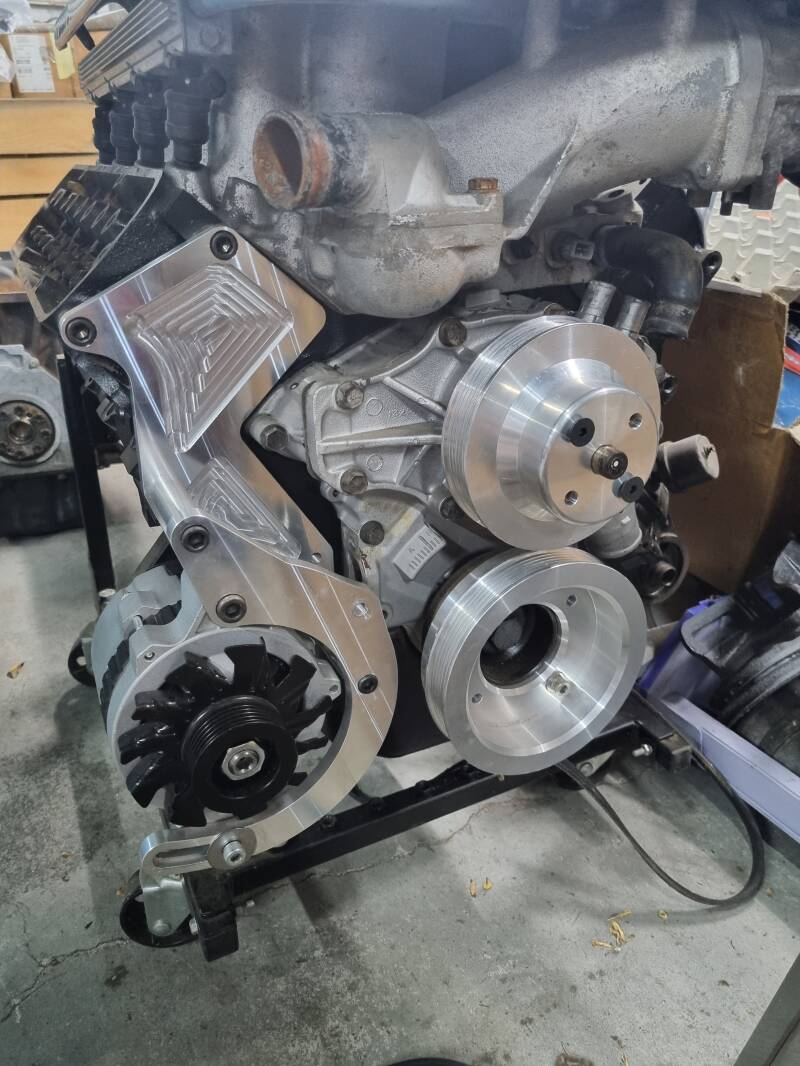
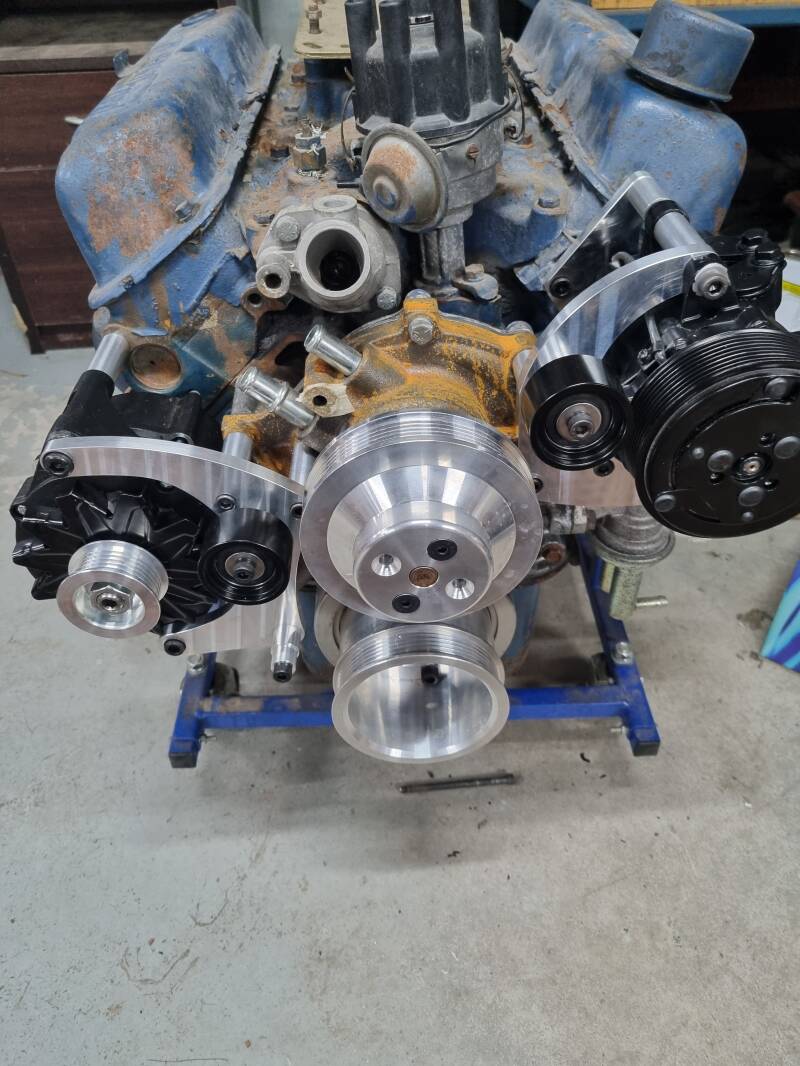
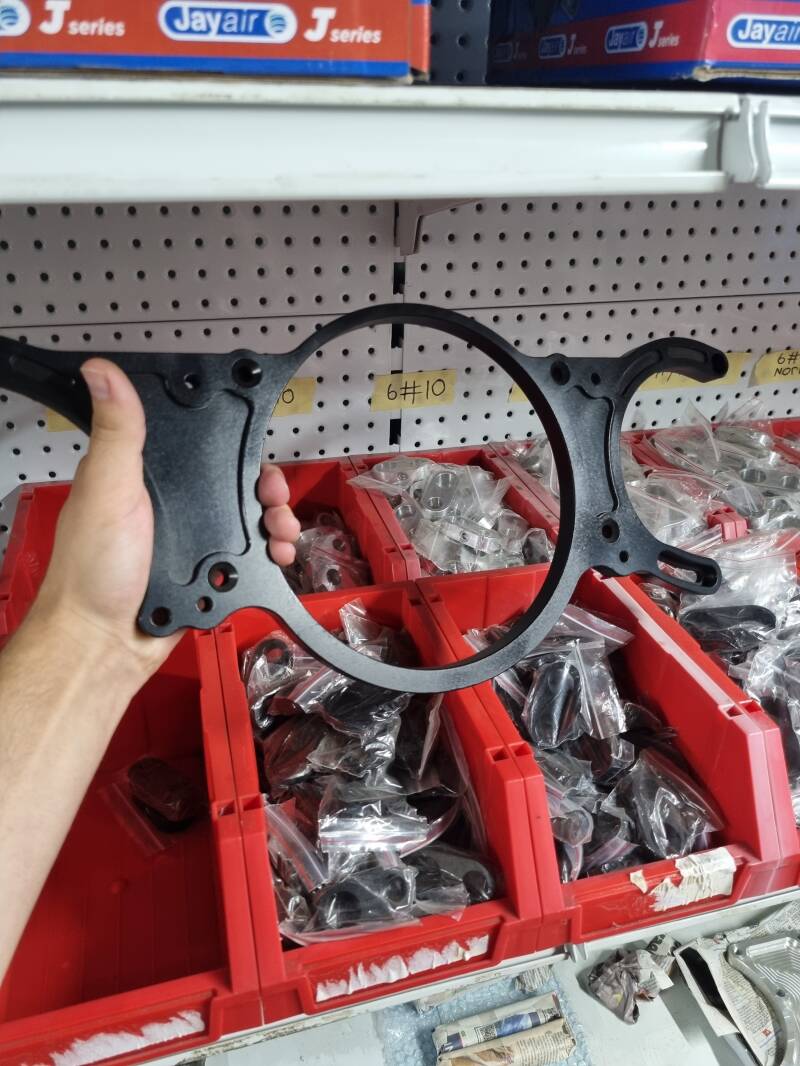
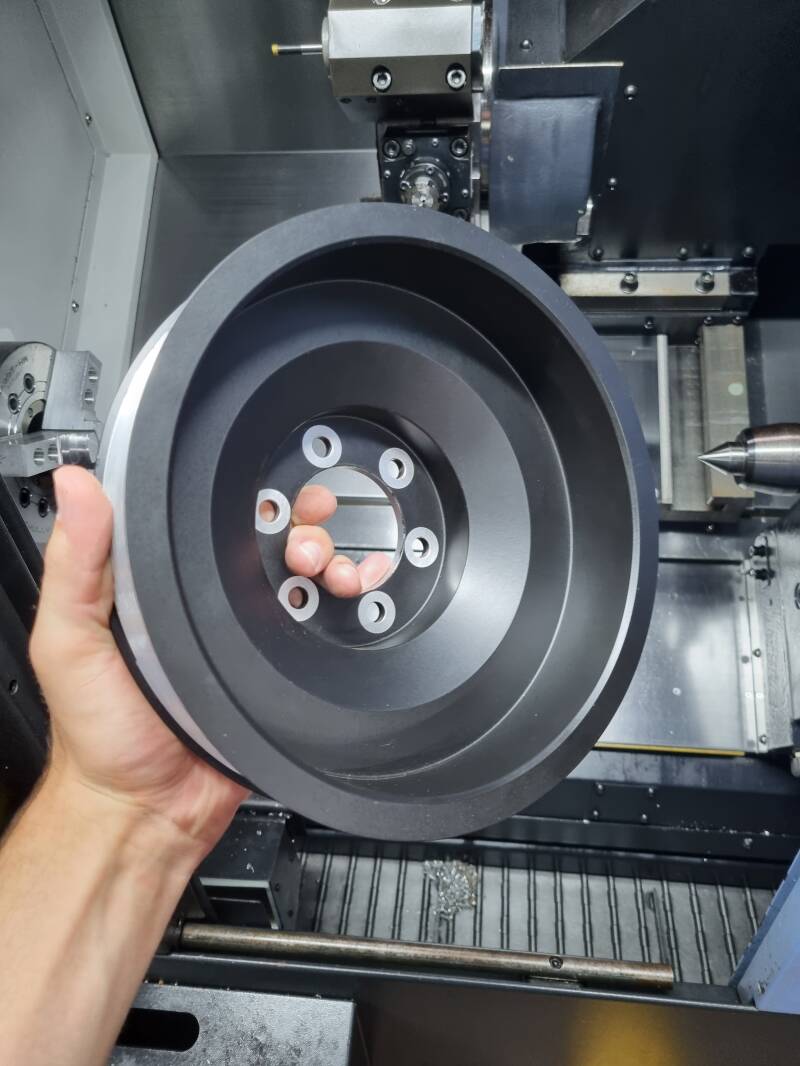
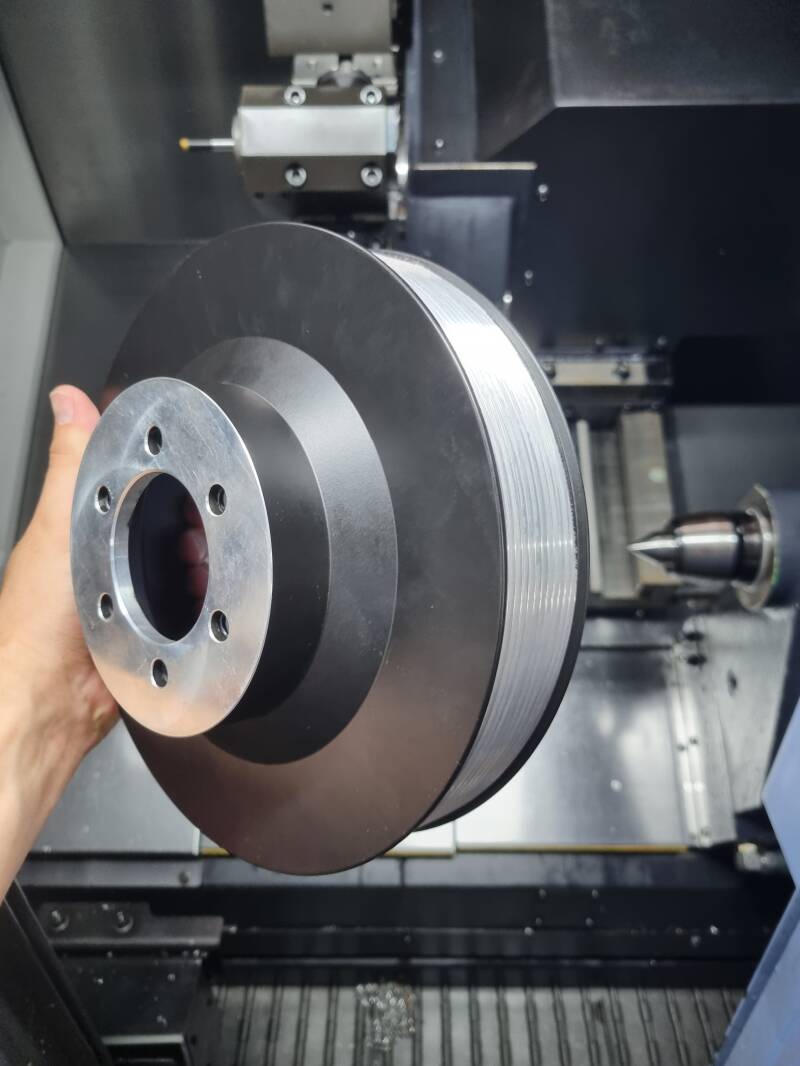
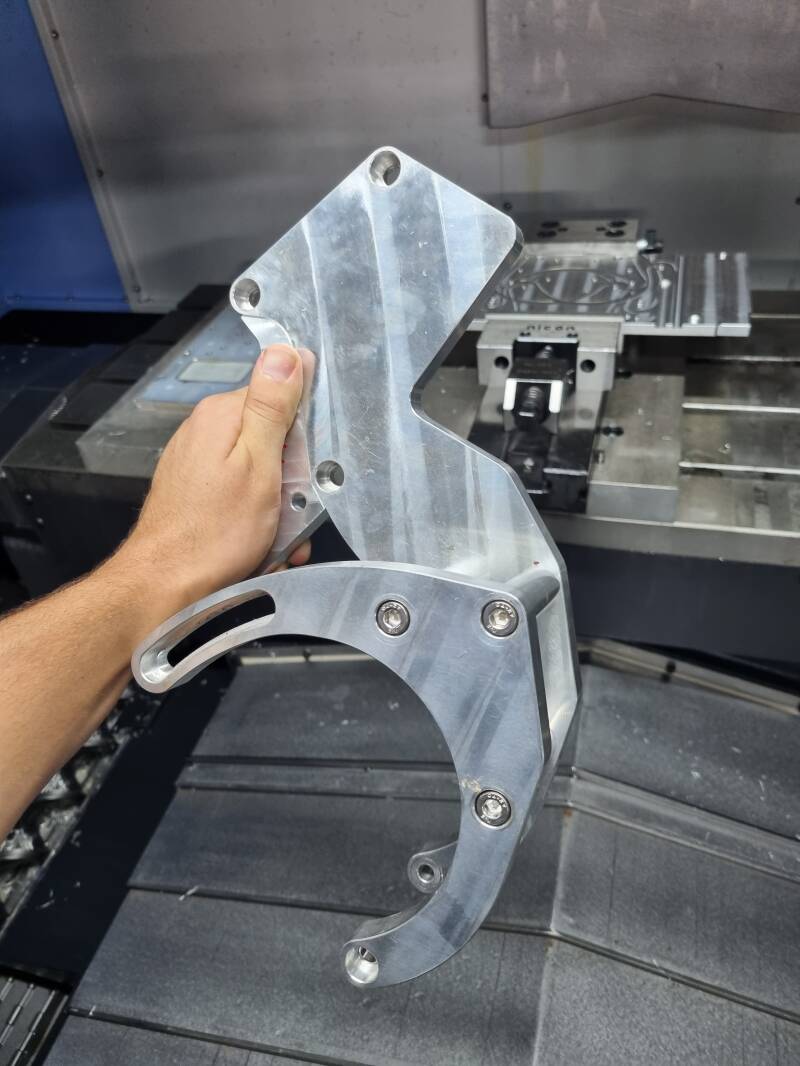
All of these are designed from scratch and developed in collaboration with the customer to ensure all design criteria are met.










Create Your Own Website With Webador